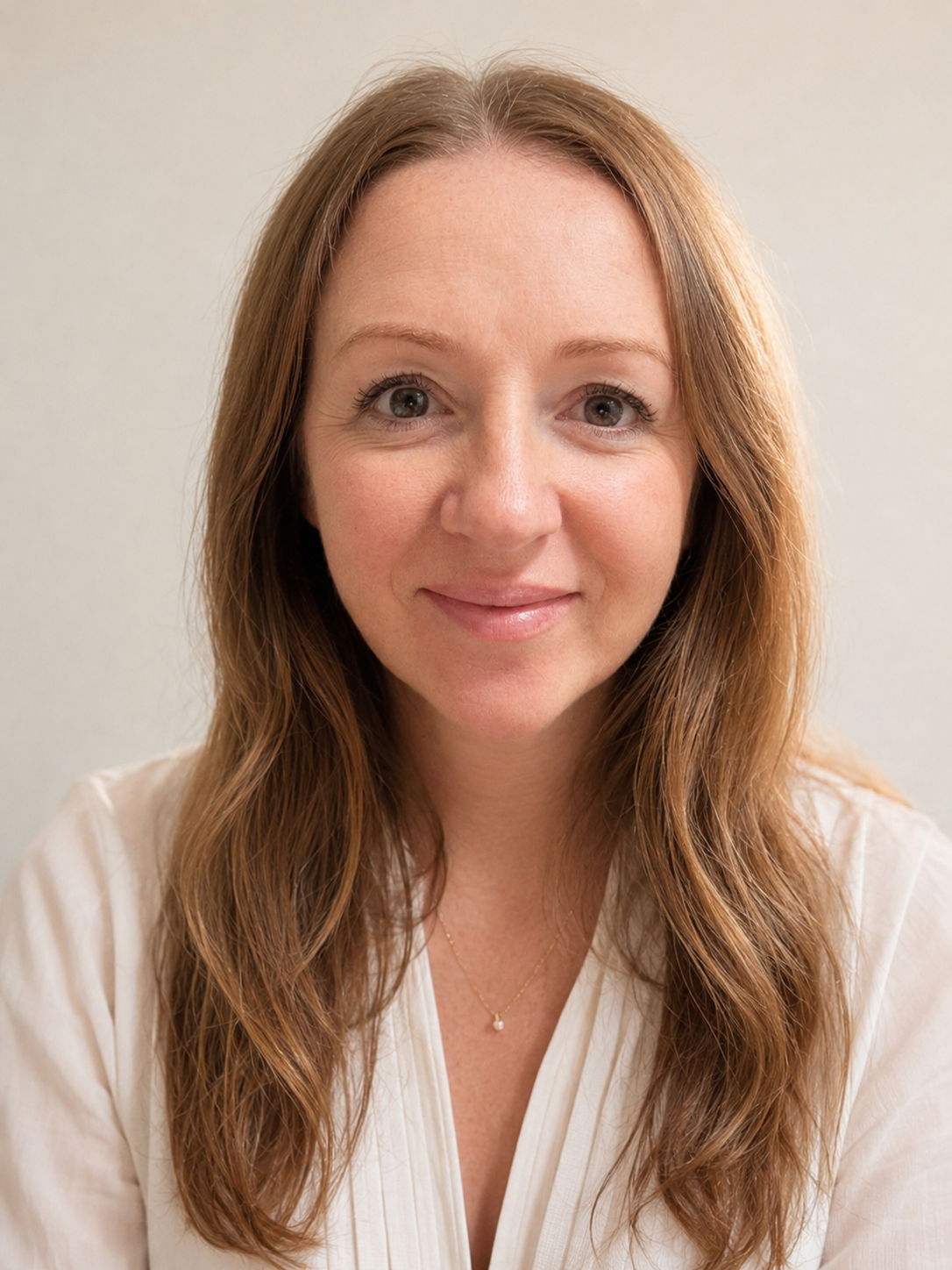
By Rachel Keady, certified paediatric sleep consultant and founder of RK Sleep Co.
If you’ve ever found yourself awake at 2am, searching Google for answers to your baby’s sleep, you’re certainly not alone.
Perhaps your baby wakes every couple of hours. Maybe naps last just 30 minutes, or bedtime has become a lengthy process of rocking, feeding and resettling.
Whatever your situation, broken sleep can be exhausting, especially when you’re trying to juggle work, family life and everything else that comes with parenting.
I’m Rachel, a mum and certified paediatric sleep consultant based on Sydney’s North Shore, and I’ve been exactly where you are.
When my daughter Eloise was five months old, we were dealing with frequent night waking and short naps. We were exhausted and unsure what to change, with no family nearby to help.
That experience led me to learn more about children’s sleep and eventually build RK Sleep Co, where I now help other families navigate similar challenges.
Here are five things I encourage parents to consider when their little one is struggling with sleep.
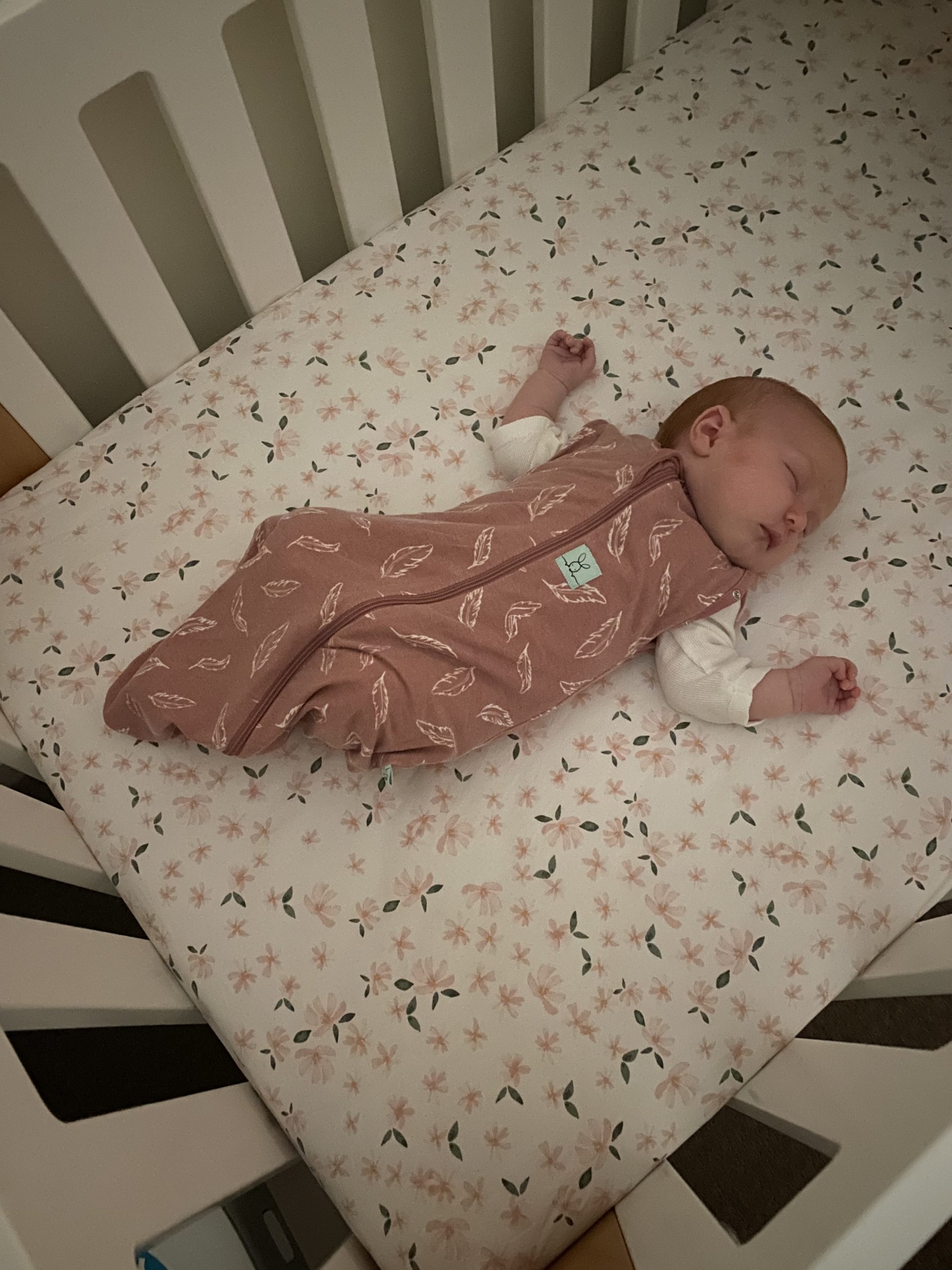
1. Night waking isn’t always a sign that something is wrong
Babies naturally wake throughout the night, and their sleep needs change significantly as they grow.
For younger babies especially, waking for feeds, reassurance or comfort is completely normal.
The goal isn’t necessarily to eliminate every waking. It’s to understand what’s happening, what is developmentally appropriate and whether there are changes that could help the entire family get more rest.
2. Look at the whole day, not just bedtime
One of the first things I explore with families is what happens during the day.
Are naps becoming difficult? Is your little one particularly tired by bedtime? Has their routine changed recently? Are they getting too much or too little daytime sleep? What time are naps scheduled? How are feeds going?
Many of the sleep challenges families experience overnight can be influenced by their little one’s daytime sleep patterns and routines.
Small, age-appropriate adjustments to naps, awake periods and bedtime can sometimes make a meaningful difference.
3. A predictable bedtime routine can help
Children often respond well to familiar routines.
A calm, predictable sequence might include a feed, bath, changing into sleepwear, a short story or song, cuddles and settling into their own safe sleep space.
It doesn’t need to be complicated or perfectly timed.
The aim is to create a consistent transition from the activity of the day into a calmer sleep environment.
For babies, safe sleep always comes first, including following current Australian safe-sleep guidance.
4. You don’t have to use a method you’re uncomfortable with
One of the biggest misconceptions about sleep training is that parents only have two choices: leave their little one to cry it out or continue struggling with disrupted sleep.
That’s simply not how I work.
I believe in a gentle, responsive and personalised approach that considers your child’s age, temperament, developmental needs and your family’s values.
Some parents want to gradually reduce the amount of assistance their baby needs to settle. Others need help understanding an inconsistent routine or managing toddler bedtime battles.
There is no single solution for every family.
Making changes to your little one’s sleep can feel difficult without guidance, but ongoing sleep deprivation can be even harder. With the right support, those changes can feel much more manageable.
5. You don’t need to work everything out yourself
Sometimes it’s difficult to identify what’s contributing to disrupted sleep when you’re exhausted and receiving conflicting advice.
That’s where personalised sleep support can help.
A sleep consultant can look at your child’s current sleep patterns, discuss your family’s goals and provide practical, realistic strategies for moving forward.
How RK Sleep Co can help
Through RK Sleep Co, I support families experiencing challenges such as:
- Frequent night waking
- Short or inconsistent daytime naps
- Early morning waking
- Difficult bedtimes and settling
- Toddler sleep challenges
- Establishing age-appropriate sleep routines
I offer personalised phone and online consultations, ongoing sleep support packages and in-home assistance across eligible Sydney locations.
Whether you need help with one specific challenge or would benefit from ongoing guidance, we can explore an approach that works for your family.
Because improving sleep isn’t about being a perfect parent. It’s about finding practical solutions that feel right for you and your child.
Ready to talk about your little one’s sleep?
Visit www.rksleepco.com to explore my services or contact me at hello@rksleepco.com.
Rachel Keady | RK Sleep Co
Gentle, personalised baby and children’s sleep support.